
Handmade art toys are expensive because almost every step is done by hand, by the artist, in very small numbers. A single resin figure is sculpted, moulded, cast, sanded, primed, painted, varnished, assembled and packed one at a time. The price pays for that labour and for the small edition, not for the resin itself. At Atom Toys Studios, an art toy studio in Espoo, Finland, our large figures cost €175 to €230 and are made in editions of a few dozen pieces.
We get asked about price a lot, so here is the honest breakdown from inside the studio.
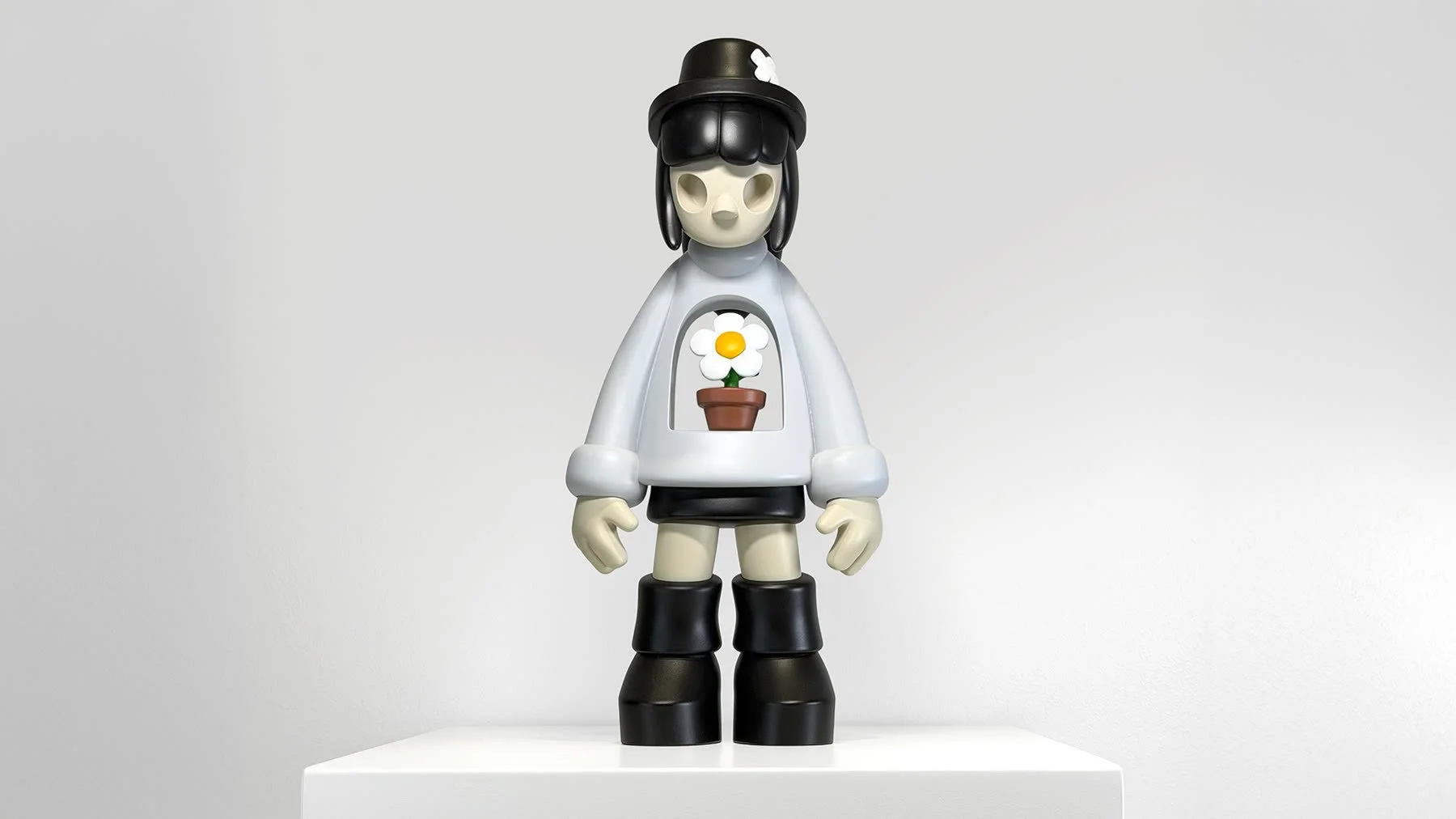
What are you actually paying for in a handmade art toy?
Mostly time. The material in a resin figure costs a fraction of the price. The rest is hours of skilled handwork, plus the cost of doing it in small batches.
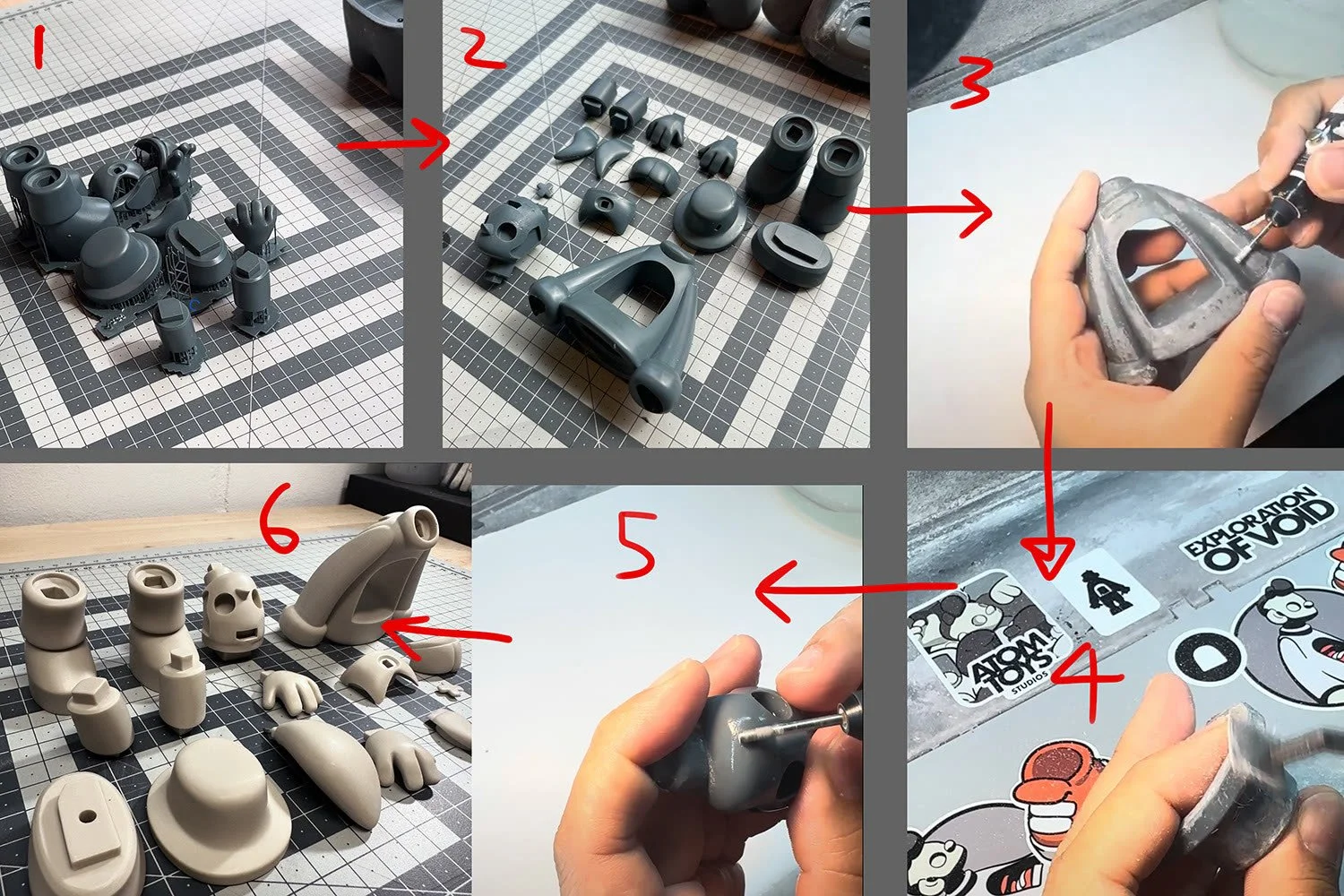
Here's what goes into one of our figures:
Concept and sculpt: The character is designed, then sculpted digitally and refined for casting (the artist).
Master print: A high-detail resin master is printed, sanded and fixed (the artist).
Mould making: Silicone moulds are poured around the master, one per part (the studio, by hand).
Casting: Resin is mixed, poured and cured under pressure, part by part (the studio, by hand).
Sanding: Seams and joints are sanded smooth on every single part (the studio, by hand).
Priming: Each part is cleaned and primed so the paint grips (the studio, by hand).
Painting: Each figure is hand-painted and airbrushed (the artist).
Varnish and assembly: Thin protective coats, then parts are fitted and glued (the studio, by hand).
Packaging and certificate: Packed, numbered and sent with a certificate (the studio, by hand).
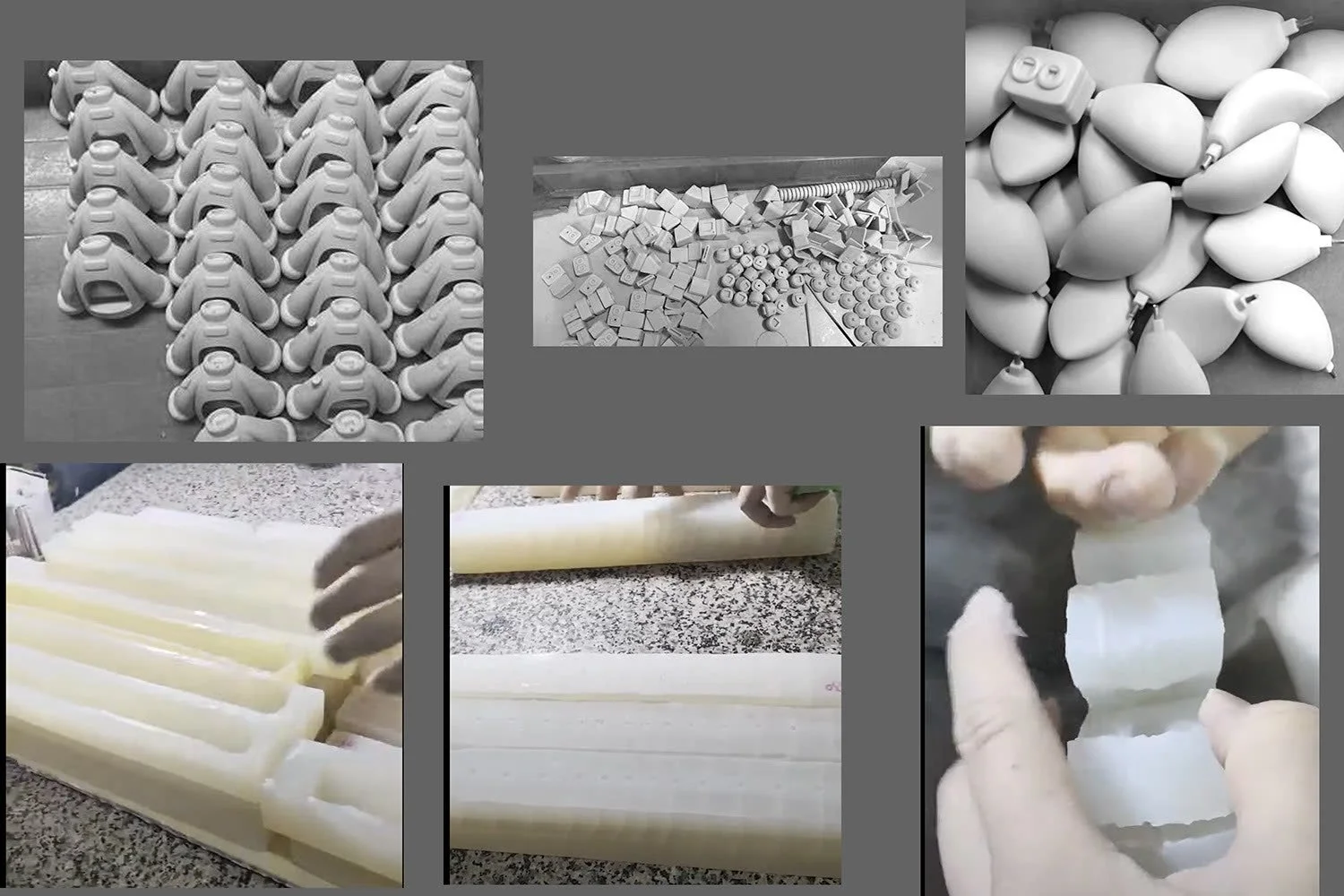
None of these steps is done by a machine on a production line. That is the main reason for the price, and also the reason each piece is slightly different.
How long does it take to make one art toy?
Longer than most people expect. Sanding alone shows why.
Each of our figures has around 7 to 10 joints and seams that need sanding after casting. That takes 45 to 70 minutes per figure, just for sanding. For a batch of 30 figures, that's roughly 30 hours of sanding before a single drop of paint goes on.
Then comes priming, painting and varnishing. Painting and finishing a batch takes about 30 more hours. So one batch is around 60 hours of sanding and painting alone, before casting, assembly and packing. Because primer, paint and varnish all need time to cure, a batch takes about 10 days from casting to finished figure.
Why don't small studios just mass-produce?
Because mass production only gets cheap at large numbers. Factory-made toys, especially vinyl, use steel moulds and production runs of hundreds or thousands of pieces. The cost per toy drops, but only if you make, and pay for, all of them upfront.
A small studio works the other way round:
Moulds: Factory-made toy: Steel, expensive to make, last for thousands of pieces. Handmade resin art toy: Silicone, made in the studio, wear out after a limited number of casts.
Run size: Factory-made toy: Hundreds to thousands. Handmade resin art toy: One to a few dozen.
Finishing: Factory-made toy: Machine-painted or printed. Handmade resin art toy: Hand-sanded and hand-painted.
Cost per piece: Factory-made toy: Low, after a large upfront investment. Handmade resin art toy: Higher, with no huge upfront run.
Each piece: Factory-made toy: Identical. Handmade resin art toy: Slightly different, by hand.
Small editions mean nothing is wasted on stock nobody wants, and every collector gets a piece made by the person who designed it. The trade-off is a higher price per piece.
What hidden costs go into the price?
Some of the cost is work you never see:
Failed casts. Bubbles, short casts and warped parts happen. Those parts get thrown away, and the time goes with them.
Paint mistakes and replacements. We always keep spare parts so a damaged piece can be fixed or replaced.
Moulds wearing out. Silicone moulds lose detail over time and have to be remade.
Photography, packaging and certificates. Each edition is photographed, packed and sent with a numbered certificate.
Fees. Payment and platform fees take a share of every sale.
A simple way to put it: if a price only covered the material, the artist would be donating their time.
Why does a limited edition cost more?
Because there will only ever be a few. Our editions are small, from a single one-of-one piece up to a few dozen. Miss Bliss Retro, for example, is an edition of 50.
A small edition means:
Each piece is numbered, so you know exactly which one you own.
It won't be restocked endlessly. When an edition is gone, it's gone.
Every piece carries the artist's hand, which is part of what you're collecting.
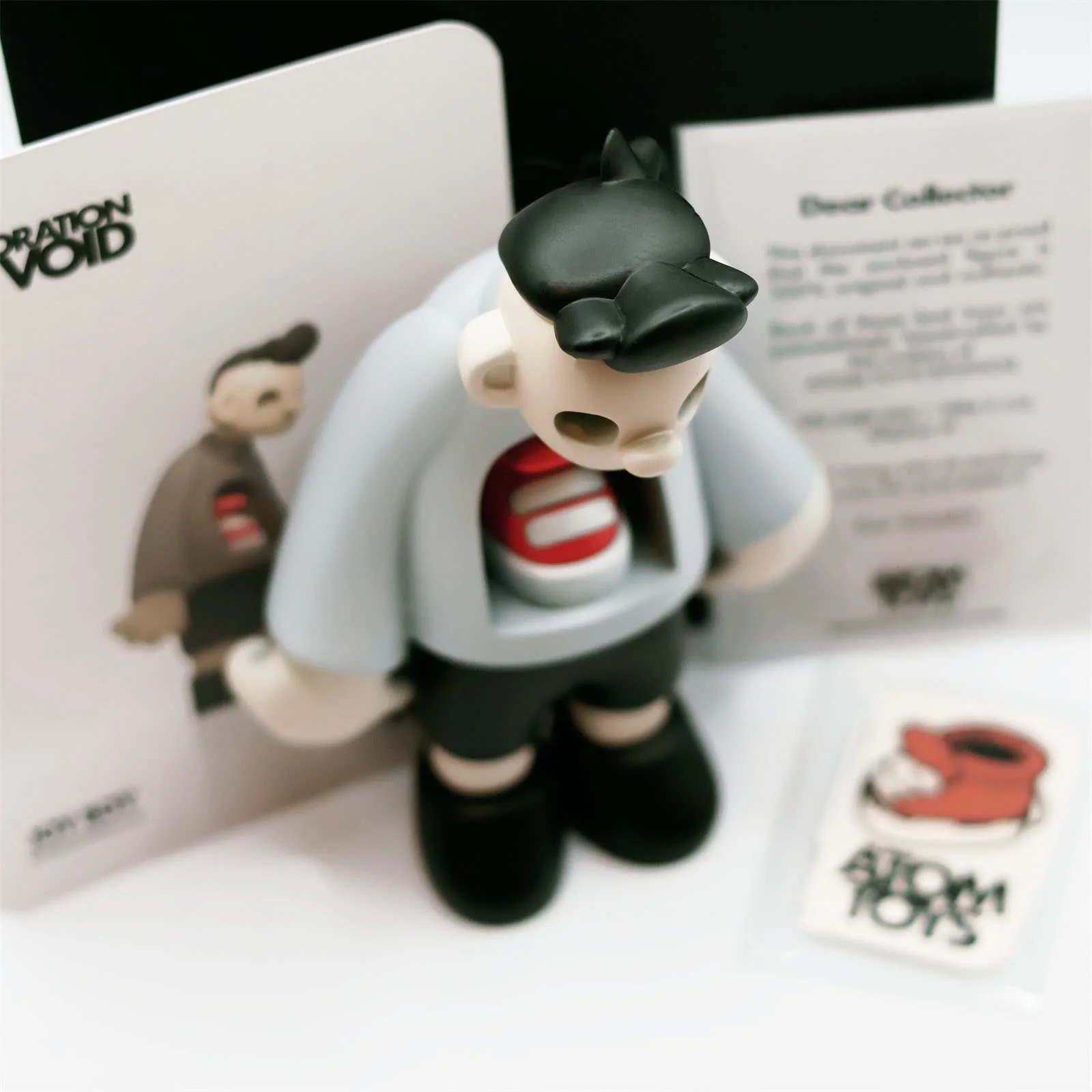
Are handmade art toys worth the price?
If you value the work behind an object, yes. An art toy is closer to a small sculpture than a toy. You're paying for an original character, made by hand, in a run small enough to stay special.
That's also why we don't run big discounts. The price reflects the hours in each piece, and we would rather make fewer pieces at a fair price than more at a price that hides the work.
If you're new to art toys and not sure where to start, a smaller piece is a good first step. Our Joy Boy Mini (€36) and Anatomy prints (€29) are made with the same care in a smaller format.
FAQ
Why are resin art toys more expensive than vinyl toys?
Resin art toys are usually cast and finished by hand in small editions, while vinyl toys are made in factories in large runs. Handwork and small numbers cost more per piece.
How much does a handmade art toy cost?
Prices vary by size, edition and artist. At Atom Toys Studios, large hand-painted resin figures cost €175 to €230, and smaller pieces start at €36.
What is the most expensive part of making an art toy?
Labour. Sanding, painting and finishing by hand take far more time than the material costs. For a batch of 30 figures, sanding and painting alone take around 60 hours.
Why are limited edition art toys more expensive?
A limited edition is small and numbered, and won't be restocked. Fewer pieces means the work is spread over fewer sales, and each piece is scarcer.
Do art toys hold their value?
Some do, especially small, numbered editions from established artists, but we'd never promise it. Buy a piece because you love it.
Are art toys worth it?
If you value original, handmade work, yes. An art toy is a small sculpture made by the artist, not a mass-produced toy.
Every Atom Toys figure starts as one idea, the void, and ends up in your hands after many hours of work, from sculpting the master to painting the final details. If you'd like to see that work up close, take a look at Joy Boy OG or Miss Bliss. New to all this? Start with What Is an Art Toy?.
Get new editions before they go public. Join the Atom Toys list for first access to new pieces, studio notes and one email a month.
